

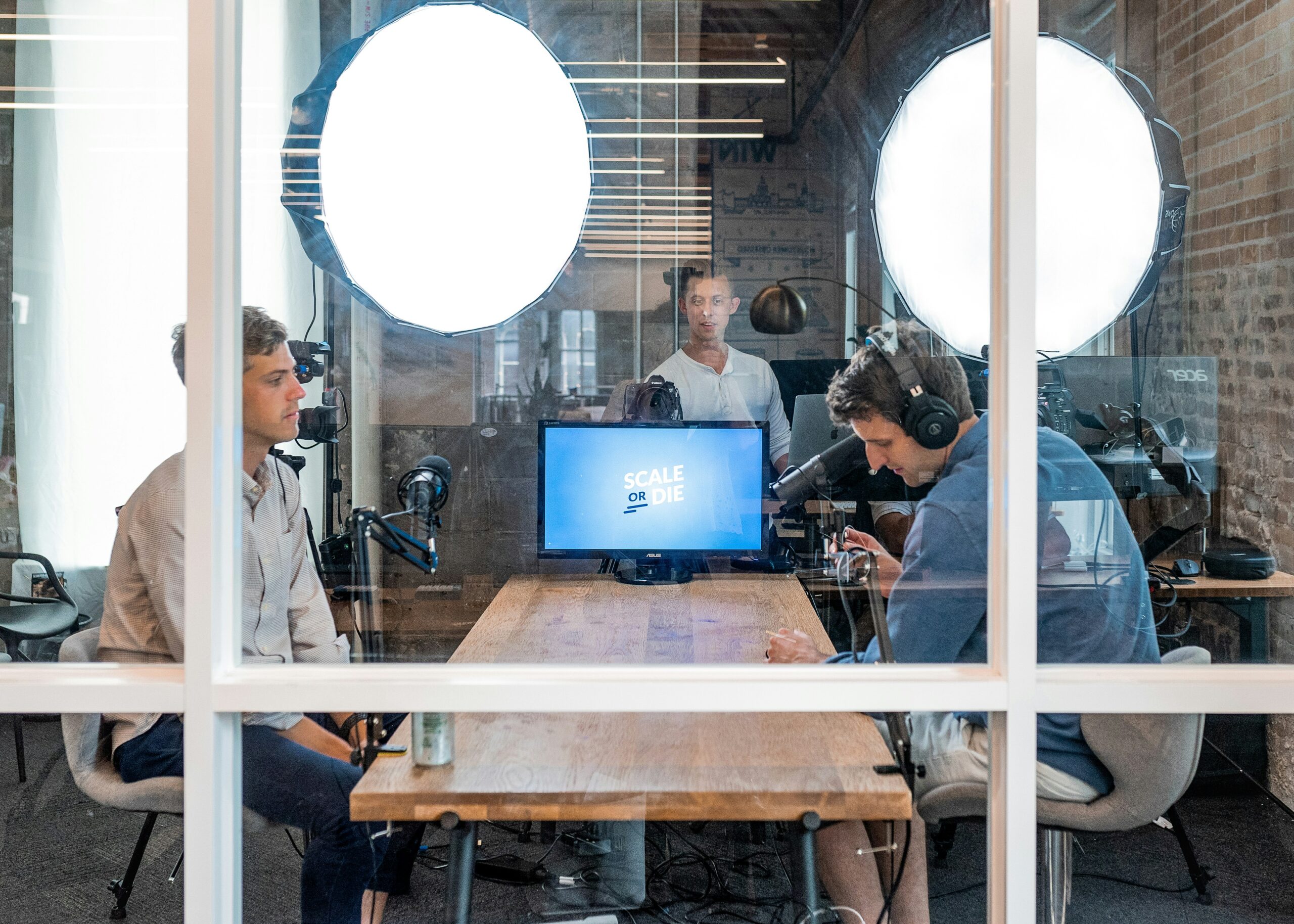
The rise of video interviews has significantly impacted CEO brand strategies, revolutionizing the way companies and their leaders present themselves to the world. Gone are the days of traditional, in-person interviews where CEOs would rely on scripted answers and rehearsed responses. Video interviews have given CEOs the opportunity to showcase their personality, authenticity, and charisma, allowing them to build a more personal connection with their audience. This shift has also forced CEOs to be more mindful of their online presence, as their words and actions are now being scrutinized by a global audience.
As a result, CEOs are now required to have a deeper understanding of their brand and its values, as well as the company’s mission and vision. They must be able to articulate these concepts clearly and concisely, using language that is relatable and engaging. This has led to a greater emphasis on storytelling, as CEOs seek to craft narratives that inspire and motivate their audience. By doing so, they can establish a connection with their viewers, build trust, and ultimately drive business results.
Video interviews have also changed the way CEOs communicate with their employees. In the past, CEOs may have only interacted with employees during town hall meetings or company-wide announcements. However, with video interviews, CEOs can now engage with employees in a more informal setting, sharing their thoughts and experiences in a way that is both personal and relatable. This has fostered a sense of openness and transparency, as employees feel more connected to their leaders and more invested in the company’s success.
The increased visibility that comes with video interviews has also led to a greater emphasis on crisis management. When mistakes are made or controversies arise, CEOs must be prepared to address them in real-time, using video interviews to apologize, explain, and reassure stakeholders. This has forced CEOs to be more proactive in managing their reputation, anticipating potential issues, and taking swift action to mitigate any negative fallout.
Furthermore, video interviews have leveled the playing field for smaller companies and startups. No longer are large corporations the only ones with access to high-profile media outlets or influential platforms. With video interviews, smaller companies can now reach a global audience, gaining recognition and credibility that may have otherwise been out of reach.
In addition, video interviews have given rise to new formats and platforms that cater specifically to CEOs and thought leaders. From podcasts to live streams, CEOs can now share their expertise and insights with a wider audience than ever before. This has created new opportunities for companies to build thought leadership through content marketing, positioning themselves as authorities in their industry.
As a result of these changes, CEOs must now think carefully about their personal brand strategy. They must consider how they present themselves online, what they share on social media, and how they engage with their audience. This requires a level of self-awareness and emotional intelligence that was not previously necessary.
As CEOs navigate this new landscape, they must also be mindful of the role that social media plays in their personal brand strategy. Gone are the days when social media was seen as a mere afterthought; today, it is an integral part of any CEO’s online presence. A single misstep on social media can have far-reaching consequences, and CEOs must be prepared to think on their feet and respond quickly to any crisis.
This has also led to a greater emphasis on consistency and authenticity across all channels. CEOs must ensure that their online presence is consistent with their brand values and messaging, and that their social media profiles accurately reflect their personality and tone. This requires a level of self-awareness and emotional intelligence that is not always easy to develop.
Another significant impact of video interviews is the rise of remote work and virtual communication. With video interviews, CEOs can now connect with employees, investors, and customers from anywhere in the world, without the need for physical travel. This has opened up new opportunities for companies to expand their reach and scale more quickly, while also providing greater flexibility and autonomy for employees.
However, this shift towards remote work has also raised new challenges for CEOs. They must now be skilled at building trust and fostering a sense of community among remote teams, which can be difficult to do when face-to-face interactions are limited. This requires a high level of emotional intelligence, as well as effective communication skills and a willingness to adapt to changing circumstances.
The increased visibility that comes with video interviews has also led to a greater emphasis on mental health and wellness. As CEOs are under increasing pressure to perform and deliver results, it is no longer acceptable for them to ignore their own mental health. They must prioritize self-care, seek support when needed, and create a culture within their organization that values mental wellness.
In addition, video interviews have given rise to new formats and platforms that cater specifically to CEOs and thought leaders. From podcasts to live streams, CEOs can now share their expertise and insights with a wider audience than ever before. This has created new opportunities for companies to build thought leadership through content marketing, positioning themselves as authorities in their industry.
As a result of these changes, CEOs must now think carefully about their personal brand strategy. They must consider how they present themselves online, what they share on social media, and how they engage with their audience. This requires a level of self-awareness and emotional intelligence that was not previously necessary.
The increased visibility that comes with video interviews has also led to a greater emphasis on reputation management. As CEOs are under constant scrutiny, they must be prepared to address any issues or controversies that arise, using video interviews to apologize, explain, and reassure stakeholders. This requires a high level of transparency, accountability, and emotional intelligence.
In conclusion, the impact of video interviews on CEO brand strategies has been profound. It has forced CEOs to adapt to a new landscape where authenticity, transparency, storytelling, consistency, emotional intelligence, mental wellness, content marketing, reputation management are all essential components of success. As the world continues to evolve at an increasingly rapid pace, it is clear that video interviews will remain a critical tool for CEOs seeking to build a strong brand presence and drive business results.